Skip to content
    VIVO Expeditions
    Wildlife Photography in Costa Rica: Definitive 2026 Guide

    photography

    Wildlife Photography in Costa Rica: Definitive 2026 Guide

    Costa Rica packs more photographable wildlife into a short trip than almost anywhere on earth, but the difference between a folder of blurry green frames and a portfolio comes down to three things: being in the right habitat, being there at the right hour, and having someone next to you who knows where the animal will land. This guide is written from the field — the hides we run, the settings we actually use, and what a photography-focused trip costs in 2026.

    • 2026-08-13

    The three habitats worth planning around

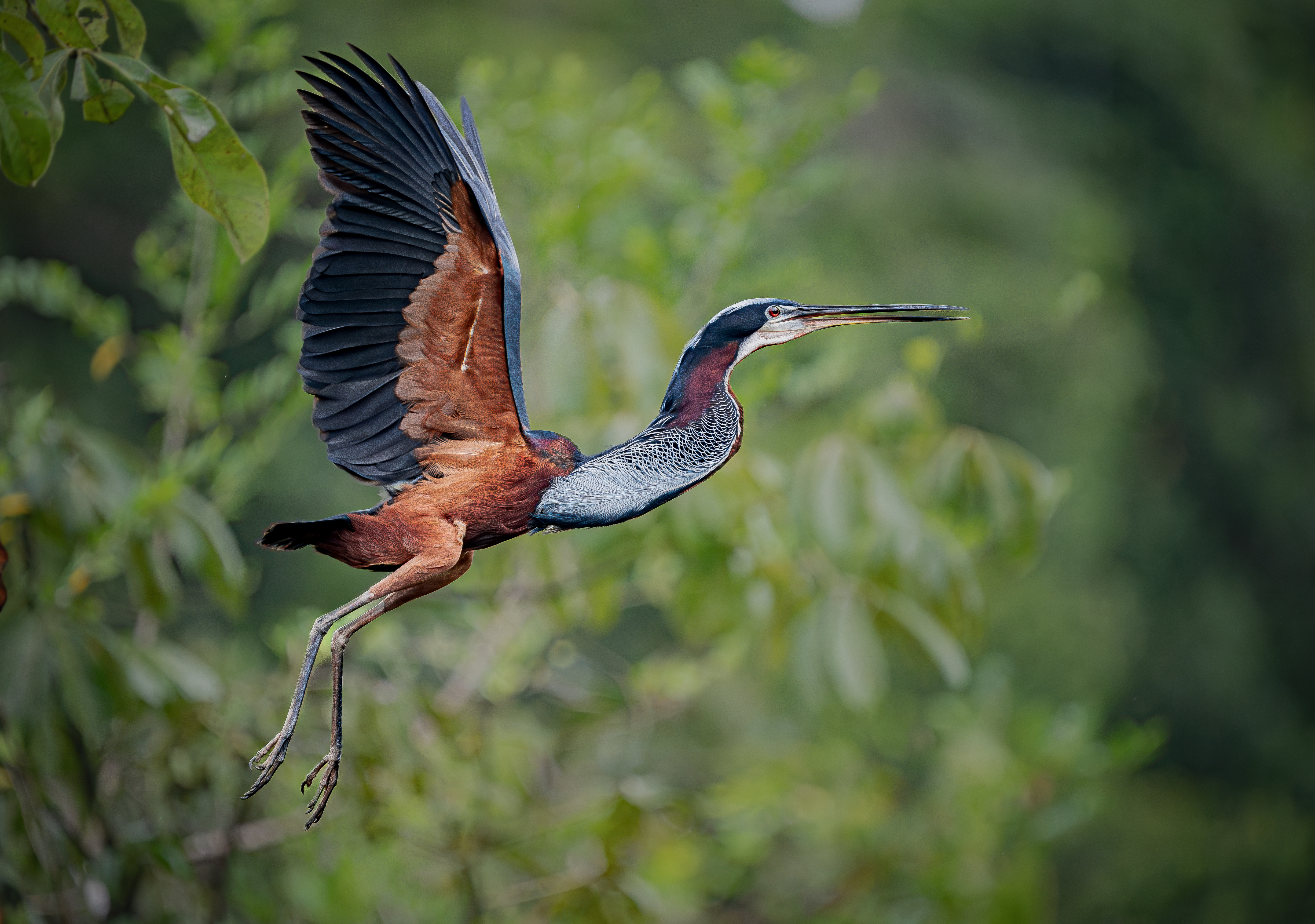
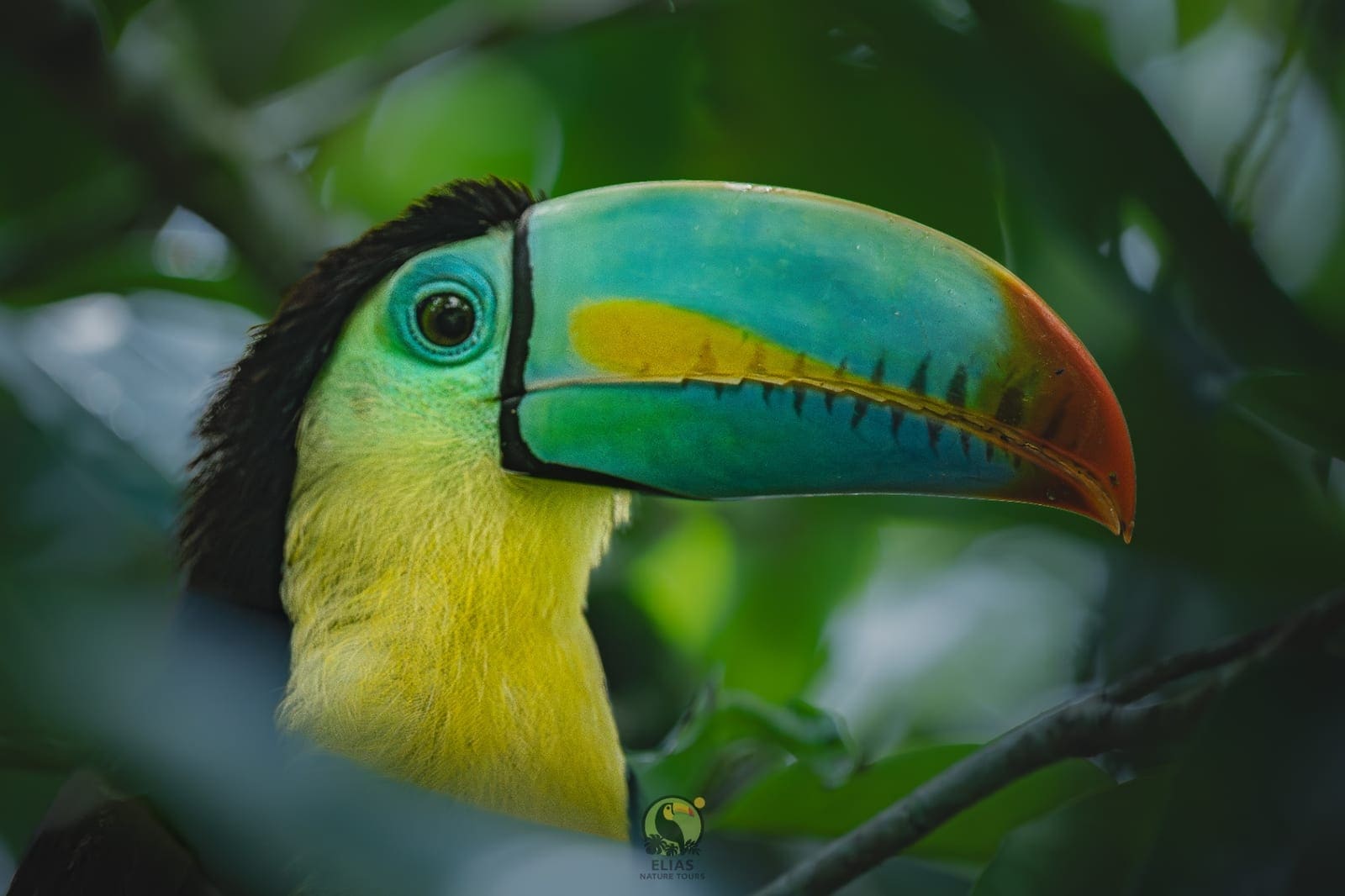
    Costa Rica has 12 life zones, but for photography three matter most. 1. Caribbean lowland rainforest (Boca Tapada, Sarapiquí) — Great Green Macaw, King Vulture, Agami Heron, toucans, and the country's best purpose-built hides. 2. Arenal foothills (La Fortuna) — sloths, hummingbirds, motmots, poison dart frogs and easy access, ideal for a first photo day. 3. Highland cloud forest (Monteverde, San Gerardo de Dota) — Resplendent Quetzal, bellbird, highland hummingbirds, moody light. A strong 8–10 day photography trip usually covers two of the three. Trying to cover all three costs you a full day in transit for each move.

    Gear that actually earns its weight

    Bodies: any modern mirrorless with reliable animal-eye AF. You will shoot at ISO 3200–12800 far more than you expect — rainforest understory is 2–4 stops darker than it looks. Lenses: • 100–400 mm or 500 mm f/5.6 — the single most useful lens here. • 70–200 mm f/2.8 — hides, boats and habitat shots. • 100 mm macro — frogs, snakes, insects. Do not skip this; macro nights are the highest hit-rate sessions in the country. • Wide 16–35 mm — canopy, waterfalls, environmental portraits. Accessories that matter more than another lens: a flash with a diffuser for macro, a rain cover, a beanbag for boat work, and double the memory cards you think you need. Humidity is the real enemy — keep silica packs in the bag and let gear acclimatise before opening it.

    Settings we use in the field

    Rainforest understory, birds in motion: manual exposure, 1/1000 s or faster, aperture wide open, Auto ISO capped at 12800, animal-eye AF, back-button focus, high-speed burst. Hummingbirds in natural light: 1/2500 s minimum to freeze the body; wings will still blur, which usually looks better than a fully frozen bird. Multi-flash hummingbird setups: 1/200 s sync, f/11–f/16, ISO 200, four to five flashes at 1/16–1/32 power. The flash duration, not the shutter, freezes the wings. Macro at night: f/13–f/16, 1/160 s, ISO 400, diffused flash close to the subject. Focus manually and rock forward. Hides (King Vulture, Agami): 1/640–1/1600 s, f/5.6–f/8, ISO whatever it takes. Shoot from a low angle — hide floors are built low for exactly that reason.

    Boca Tapada: the serious photography destination

    Three hours north of La Fortuna, on the Nicaraguan border, Boca Tapada is where photographers who know Costa Rica go. It offers things nowhere else in the country does at this reliability: • A King Vulture hide with baited perches and controlled backgrounds. • Agami Heron nesting colony access by boat between March and July. • Great Green Macaws at close range in the dry season. • Snake and frog macro sessions with local specialists after dark. • River boat photography at first light with mist on the water. Sessions are early — 4:45 am departures are normal — and the light window is short. Two full days is the minimum that makes the drive worth it.
    View Tour Details

    What a private photo guide changes

    A general nature guide finds animals. A photography guide positions you. The practical differences: they put the sun behind your shoulder instead of behind the bird, they know which perch a motmot returns to every morning, they will wait 40 minutes for a sloth to move into clean light instead of walking on, and they carry a scope and a flash setup. On a shared tour, the group moves when the group moves. On a private photo tour, the tour ends when your card is full. For photographers, this is the highest-value upgrade in the entire trip budget.
    View Tour Details

    2026 prices for photography-focused tours

    All prices are per experience with a bilingual photography guide and include 13% VAT. • Private birding and wildlife photography morning in Arenal — from about $150 per adult, 5–6 hours. • Multi-flash hummingbird session — from about $95 per adult, 3 hours. • Boca Tapada full-day expedition (boat plus trails) — from about $290 per adult, transport from La Fortuna included. • King Vulture hide session — quoted per group; typically a half-day slot with a limited number of shooters. • Night macro session (frogs and snakes) — from about $85 per adult, 2.5–3 hours. Budget one buffer day. Weather in the Caribbean lowlands does what it wants, and the best frames usually come from the session you did not plan.
    View Tour Details

    Best months to shoot

    • December–April: driest, best for macaws, easiest logistics, busiest. • March–June: quetzal breeding, Agami Heron nesting, peak activity — our favourite window overall. • July–August: green, active, fewer photographers, afternoon rain. • September–October: wettest on the Caribbean side but spectacular light between storms and the lowest prices of the year. There is no dead month. There are only months that favour different subjects.

    Field ethics — non-negotiable

    No playback near active nests. No handling of frogs or snakes for a shot. No baiting that changes an animal's natural behaviour outside established, regulated hides. Keep 15 m from nesting birds and let the guide set the distance. This is not just principle — it is self-interest. The reason these sites still produce photographs is that the local guide community has protected them for two decades. Photographers who break that lose access for everyone.

    A tested 7-day photography itinerary

    • Day 1: Arrive SJO, night in Alajuela. • Day 2: Transfer to La Fortuna, afternoon hummingbird multi-flash session. • Day 3: Sunrise wildlife walk (sloths, toucans, motmots), night macro session. • Day 4: Transfer to Boca Tapada, afternoon river boat, night macro. • Day 5: King Vulture hide at dawn, macaw session in the afternoon. • Day 6: Agami Heron colony by boat at first light, return to La Fortuna. • Day 7: Buffer morning or Arenal Observatory birding, transfer to SJO. That structure gives you nine distinct shooting sessions in six days, with only two long drives.
    View Tour Details

    Frequently Asked Questions

    What lens do I need for wildlife photography in Costa Rica?

    A 100-400 mm or a 500 mm f/5.6 covers most situations, plus a 100 mm macro for frogs and insects. The rainforest understory is dark, so fast autofocus and good high-ISO performance matter more than extra reach.

    Where is the best place to photograph wildlife in Costa Rica?

    Boca Tapada in the Caribbean lowlands offers the highest hit rate: King Vulture hides, Agami Heron nesting colonies, Great Green Macaws and specialist night macro sessions, all within a small area.

    When is the best time of year for wildlife photography?

    March to June is the strongest overall window — quetzal breeding, Agami Heron nesting and peak bird activity. December to April is driest, while September and October offer dramatic light and the lowest prices.

    How much does a private photography tour cost in 2026?

    A private birding and photography morning in Arenal starts around $150 per adult, a hummingbird multi-flash session around $95, and a full-day Boca Tapada expedition around $290 per adult, VAT included.

    Do I need a photography-specific guide or is a nature guide enough?

    For serious results, a photography guide is worth it. They position you for light and background, know return perches, and are willing to wait for the shot rather than keep the group moving.

    Send us your dates, your gear list and your target species. We will build a photography itinerary around the light — private guide, hides booked, transport handled.

    Free planning · No commitment · Local expert guidance