Best Macro Sites in La Fortuna
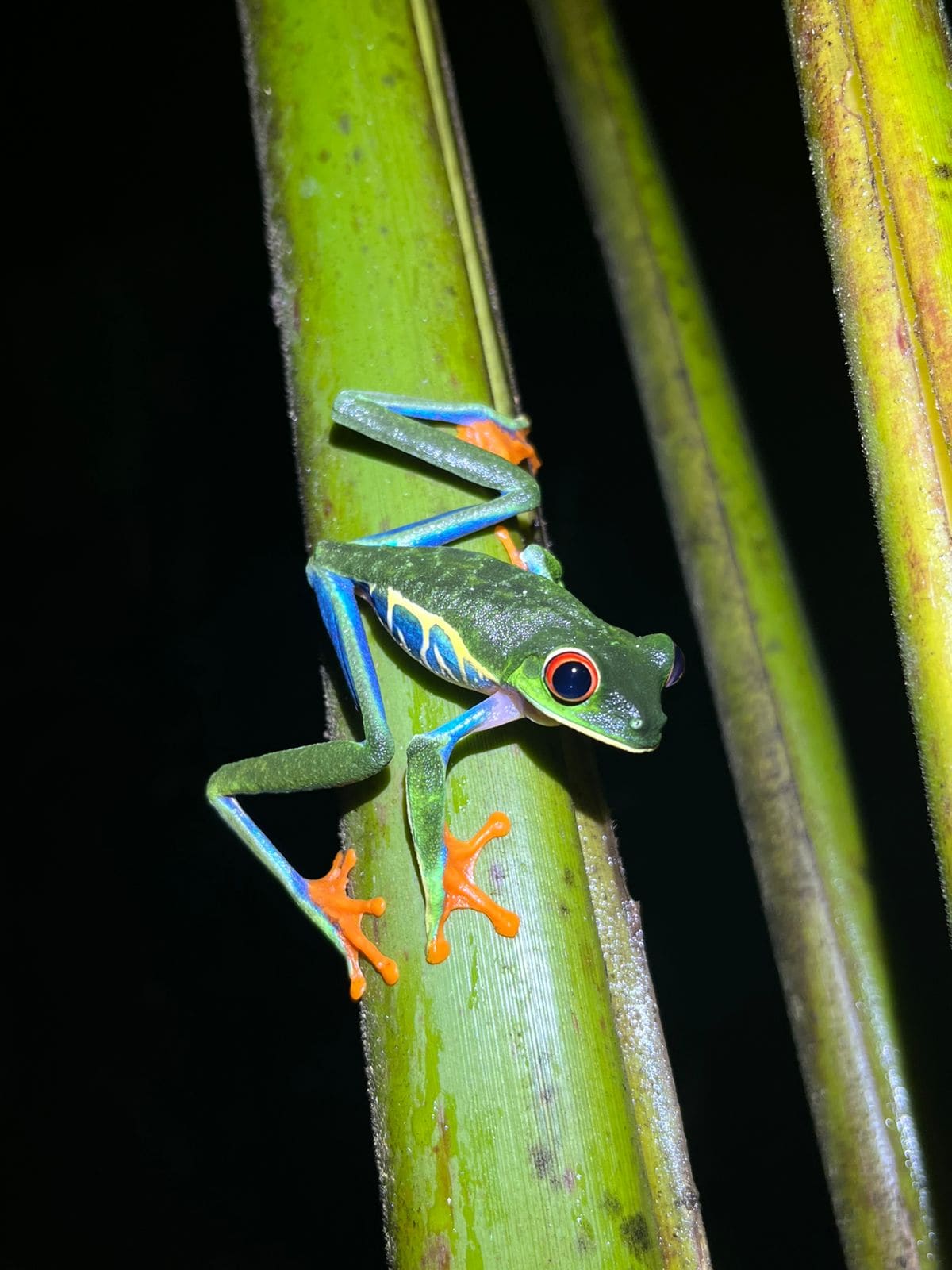
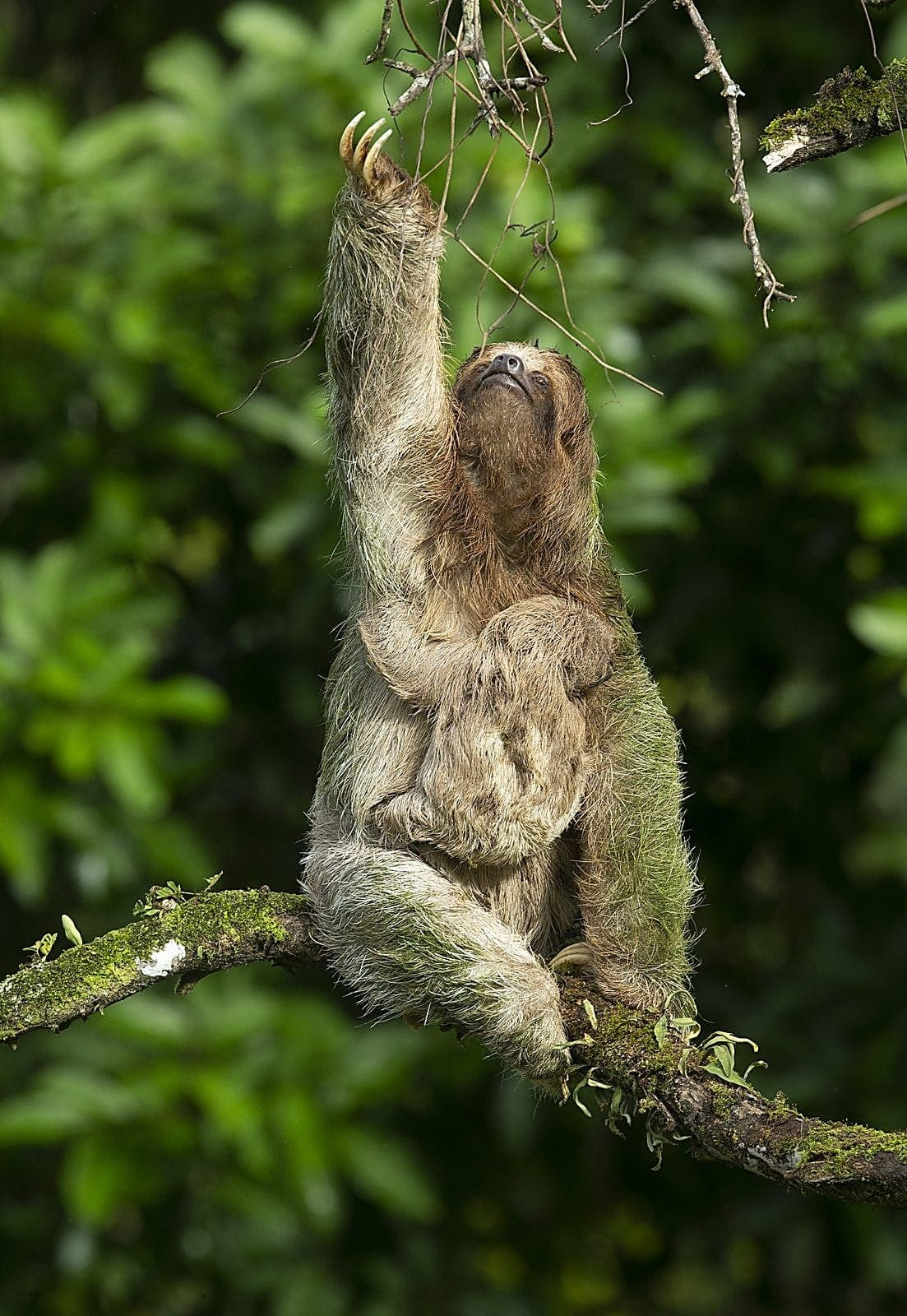
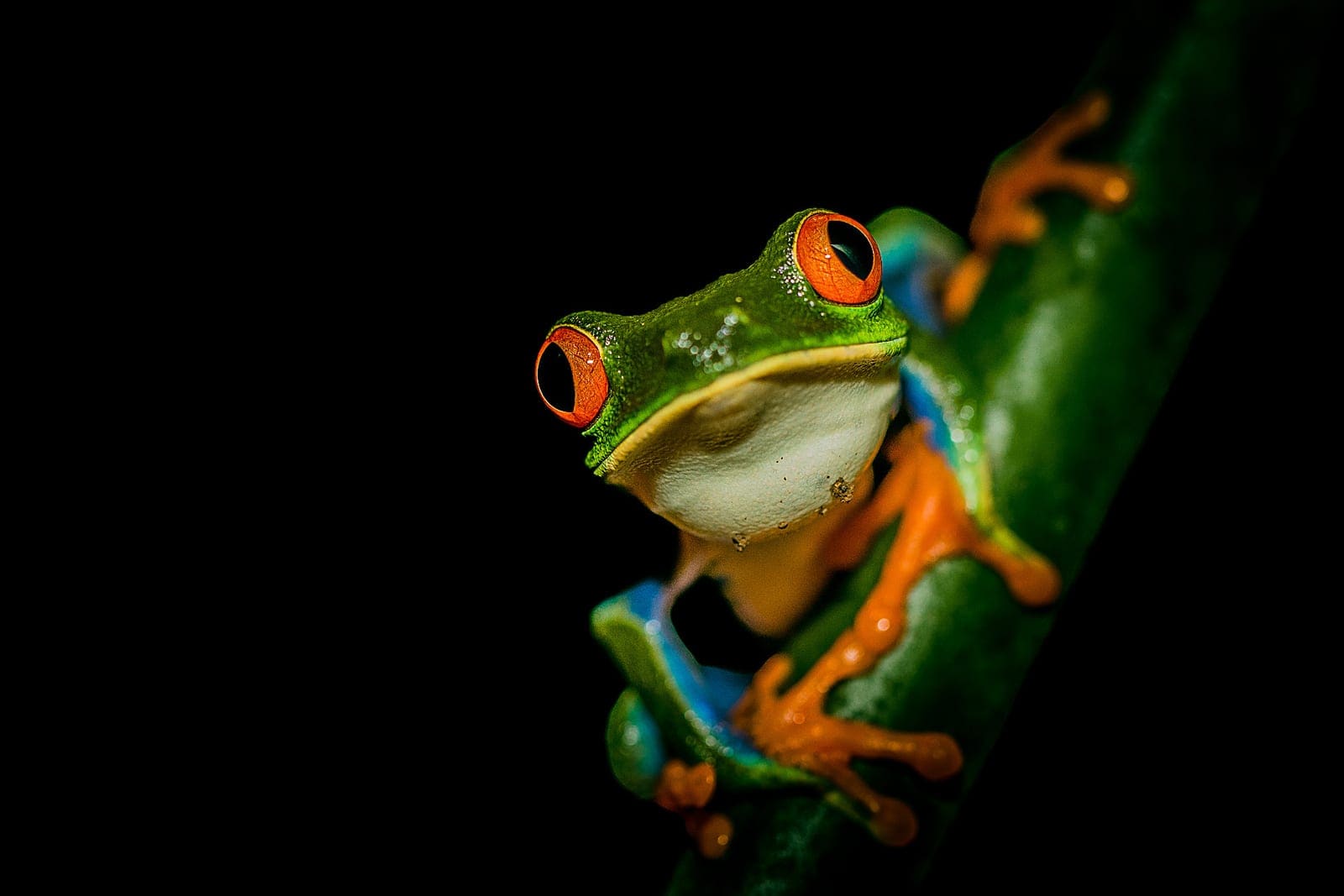
Ecocentro Danaus (night) — highest density of red-eyed tree frogs, glass frogs, and eyelash vipers in the region. Papa's Place (night) — smaller reserve with excellent frog and snake activity plus katydids. Bogarín (day) — poison dart frogs, sloths at eye level, orchids and fungi. Boca Tapada (dedicated trip) — the rare royal flycatcher crown display and river frogs.
View Tour Details Gear Kit That Actually Works
Camera: any modern mirrorless with in-body stabilization
Lens: 90–105 mm 1:1 macro (Sony 90G, Canon 100L, Sigma 105 Art)
Flash: single speedlight with a 15–20 cm softbox diffuser (Cygnustech or DIY)
Headlamp: red-light mode is mandatory — white light stresses frogs
Tripod: optional; most rainforest macro is handheld with flash
Rain cover for camera + flash — expect showers even in dry season
Lighting: The One Setup That Solves 90% of Scenes
One speedlight, camera-left, at 45°, through a large diffuser as close to the subject as you can get without touching the leaf. Manual mode: 1/200s, f/13, ISO 200, flash 1/16 to 1/32. Adjust flash power for exposure, aperture for depth of field. This gives you clean backgrounds, natural highlights on wet skin, and no harsh shadows.
Red-Eyed Tree Frog Behavior (Read This Before Booking)
They are nocturnal. Peak activity is 7–10 PM in wet season. During the day they sleep pressed against a leaf underside with eyes closed and legs tucked — the classic "eyes open, sitting on a leaf" shot is a NIGHT shot with a red-lit approach and a single carefully placed flash. Any operator promising them mid-afternoon is either staging them or misleading you.
Ethical Rules (Non-Negotiable)
• Never touch frogs — porous skin absorbs everything from your hands.
• Never move a subject to a "better" background. Move yourself.
• Red light for approach, single flash for the shot, walk away.
• Maximum 3 shots per subject, no continuous burst.
• Support reserves that fund conservation (Ecocentro Danaus, Bogarín, Papa's Place all reinvest in habitat).
Booking a Specialist Guide
A regular naturalist guide will find you sloths and toucans. A macro-specialist guide finds you frog eggs on leaves, glass frog males calling from the underside of leaves, and knows which trail has the fresh viper of the week. It is the single biggest quality jump you can make in your photo trip.
Frequently Asked Questions
When is the best time for macro photography in Costa Rica?
May–October is peak. Rain triggers frog breeding, katydid molts, and fungi. December–April still delivers excellent macro but with fewer active frogs.
Do I need a specialist guide for macro photography?
Strongly recommended. Macro subjects are 1–3 cm and camouflaged. A specialist finds 5–10× more subjects than a generalist guide and knows the ethical approach for each species.
Is a 100 mm macro lens enough or do I need a longer one?
90–105 mm is the sweet spot for rainforest macro — long enough for skittish frogs, short enough to use flash effectively. 150–180 mm macros are heavier and struggle with flash falloff in dense forest.
Planning a macro trip to Costa Rica? Our photography-specialist guides know every leaf worth checking in the Arenal region.
Free planning · No commitment · Local expert guidance