Skip to content
    VIVO Expeditions
    Birdwatching in Arenal: The Definitive 2026 Guide

    wildlife

    Birdwatching in Arenal: The Definitive 2026 Guide

    The Arenal region holds more than 500 recorded bird species inside a one-hour radius of La Fortuna, and unlike most world-class birding destinations, you can reach almost all of it on paved roads before breakfast. This guide covers the seven sites we use most, the species you can realistically target in each, when to go, and what a private birding day costs in 2026.

    • 2026-08-13

    Why Arenal is such a strong birding base

    Arenal sits where the Caribbean lowlands begin to climb into the Tilarán range. In one morning you can move from wetland edge at 200 m to premontane forest at 800 m, which is why the regional list is so long. Add reliable hotel pickup, short drives, and a local guide community that shares sightings daily, and you get more species per hour of effort than almost anywhere else in the country. What Arenal is not: highland habitat. Quetzal, bellbird and Black Guan need cloud forest above 1,200 m — those are Monteverde and Talamanca targets, not Arenal ones.

    The seven best birding sites around La Fortuna

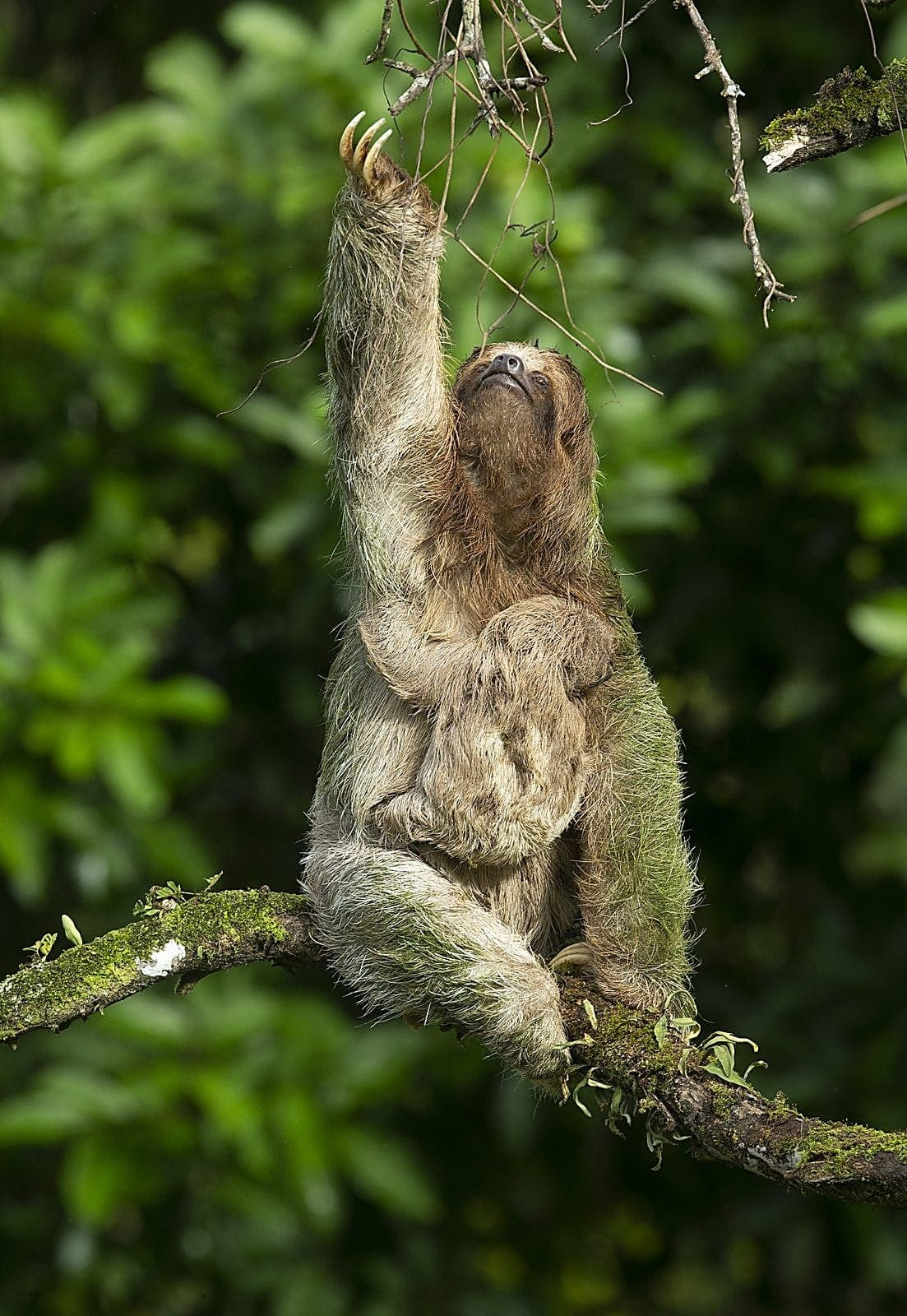
    1. Bogarín Trail — 10 minutes from town, flat, wetland-edge habitat. Boat-billed Heron, Green Kingfisher, tanagers, plus near-guaranteed sloths. The best first morning for a mixed group. 2. Arenal Observatory Lodge — 400+ species recorded, feeders, gardens and primary forest trails with volcano views. The single strongest site in the region. 3. Ecocentro Danaus — 250+ species in a small managed reserve, excellent for motmots, trogons and hummingbirds, plus a productive lagoon. 4. Arenal Hanging Bridges (Mistico) — canopy-level views, mixed flocks, good for Great Curassow and raptors. 5. Caño Negro Wildlife Refuge — 2 hours north, boat-based, the wetland list: Nicaraguan Grackle, Jabiru, herons, Anhinga, Roseate Spoonbill in season. 6. Peninsula Trail, Arenal Lake — quieter, good for waterbirds and open-country species. 7. Boca Tapada — 3 hours north, the lowland specialties: Great Green Macaw, Snowy Cotinga, Agami Heron, Rufous-tailed Jacamar.
    View Tour Details

    Target species and where to find each

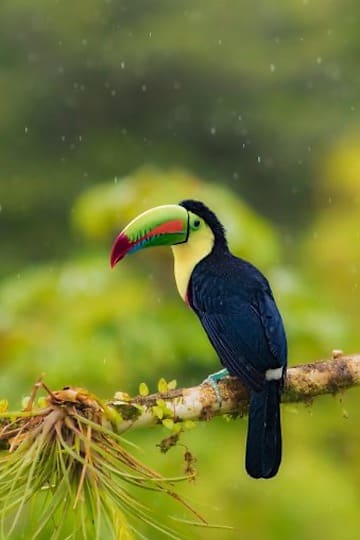
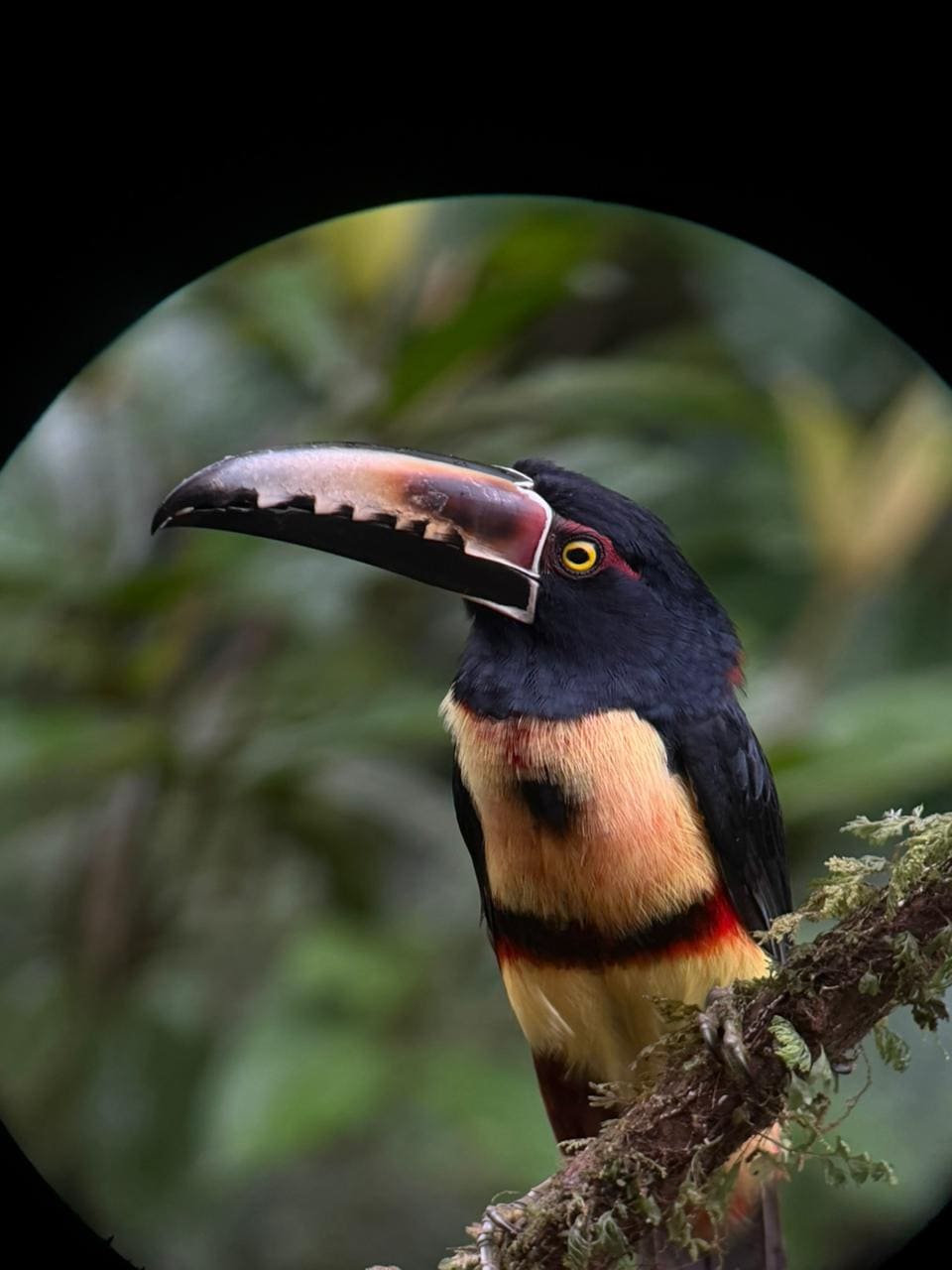
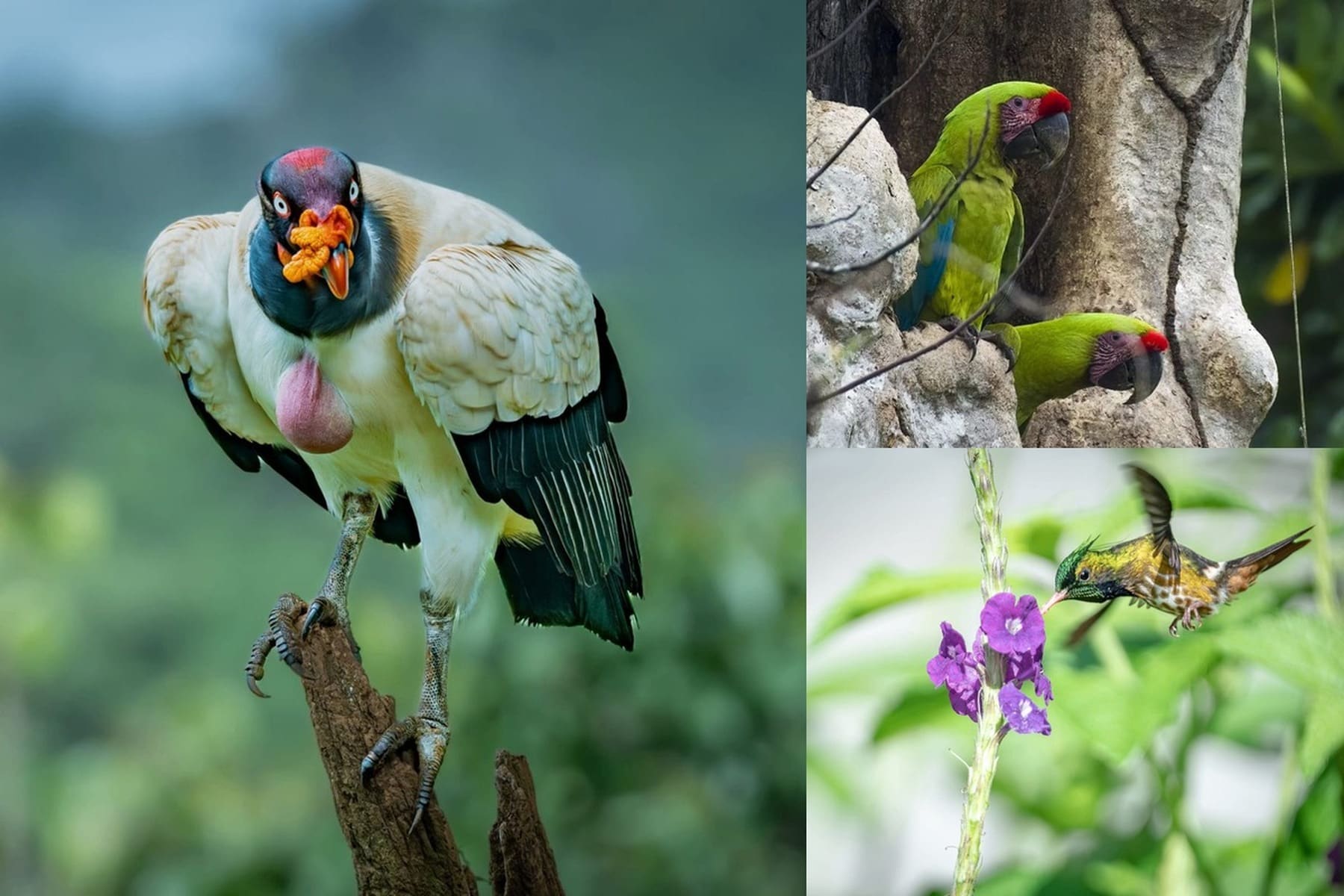
    • Keel-billed and Yellow-throated Toucan — everywhere, easiest at Observatory and Bogarín. • Great Curassow — Observatory trails and Hanging Bridges, early morning. • Sunbittern — streams at Observatory Lodge and along quiet river edges. • Great Green Macaw — Boca Tapada, best December to April. • Agami Heron — Boca Tapada colony, March to July. • Jabiru and Nicaraguan Grackle — Caño Negro only. • Black-crested Coquette and Crowned Woodnymph — feeder gardens at Danaus and Observatory. • Broad-billed Motmot and Rufous Motmot — Danaus and Bogarín, dawn. • Ornate Hawk-Eagle — Observatory ridgelines, mid-morning thermals.

    Month-by-month: when to come

    • December–February: peak. Resident species plus North American migrants — warblers, tanagers, flycatchers. Driest, coolest mornings. • March–May: breeding season. Best songs, best display behaviour, macaws nesting in Boca Tapada, Agami colony active. • June–August: green season. Fewer birders, active mornings, afternoon rain. Excellent value. • September–October: wettest, but shorebird and raptor migration peaks — hundreds of thousands of Turkey Vultures, Broad-winged and Swainson's Hawks stream overhead in October. Underrated and spectacular. • November: transition month, migrants arriving, landscape at its greenest.

    Timing your day

    Activity is concentrated in the first three hours after first light. Practical schedule for Arenal: • 5:00 am — hotel pickup. • 5:30–8:30 am — prime window, 70% of your day list happens here. • 8:30–10:30 am — raptors on thermals, mixed feeding flocks. • 10:30 am–2:30 pm — slow. Rest, eat, edit photos. • 3:00–5:30 pm — second activity window, less intense than dawn. • 6:30–8:30 pm — night walk for owls, potoos and nightjars. Birders who insist on a 7:30 am start routinely lose 30–40 species. The early pickup is not us being dramatic.
    View Tour Details

    What to bring

    • Binoculars, 8x42 for forest or 10x42 for open country. • Rain shell and quick-dry layers — it rains at some point in every month. • Rubber boots or waterproof hiking shoes; several trails hold mud year-round. • Merlin Bird ID with the Costa Rica pack downloaded offline. • Insect repellent for wetland sites. • A small towel for lens and binocular fogging when you move between elevations. Our guides carry a spotting scope and can lend binoculars, so gear is never a reason to skip a morning.

    Private birding tour prices in 2026

    Prices are per adult, with a bilingual specialist birding guide, hotel pickup and 13% VAT included. • Half-day private birding, Bogarín or Danaus — from about $65, 3 hours. • Private morning at Arenal Observatory Lodge — from about $150, entrance and transport included, 6–8 hours. • Caño Negro full-day boat birding — from about $155, 9 hours including transport. • Boca Tapada full-day expedition — from about $290, transport from La Fortuna included. • Night walk for nocturnal species — from about $60, 2.5 hours. Shared birding tours exist and cost less, but with 12 people on a trail you spend the morning waiting for the scope. For birders, private is the format that actually works.
    View Tour Details

    A four-day Arenal birding plan

    • Day 1: Bogarín at dawn (warm-up, easy list, sloths), afternoon rest, night walk. • Day 2: Full morning at Arenal Observatory Lodge, afternoon on the Peninsula Trail. • Day 3: Caño Negro full day by boat — completely different habitat, 60–80 species. • Day 4: Boca Tapada day trip or transfer onward for macaws and lowland specialties. Realistic four-day total with a good guide: 180–230 species. Add Monteverde for two more days and you cross 280.
    View Tour Details

    Birding ethically in Arenal

    Limit playback to a few seconds and never near an active nest. Stay on trails — off-trail movement damages understory nesting habitat. Do not crowd a bird for a photograph, and let the group behind you have their turn at the scope. Support reserves that charge entry: Bogarín, Danaus and the Observatory reinvest that money directly into the habitat you came to see.

    Frequently Asked Questions

    How many bird species can you see around Arenal?

    Over 500 species are recorded within an hour of La Fortuna. A well-planned four-day trip with a specialist guide realistically produces 180 to 230 species.

    What is the best birding site near La Fortuna?

    Arenal Observatory Lodge, with more than 400 species recorded, feeders, gardens and primary forest trails. Bogarín Trail is the best easy option, and Caño Negro is the best wetland day trip.

    When is the best time for birdwatching in Arenal?

    December to February combines residents with North American migrants and the driest mornings. March to May is best for breeding behaviour and song, and October brings spectacular raptor migration.

    Can I see a quetzal in Arenal?

    No. Quetzals need cloud forest above 1,200 m, and Arenal is too low. Plan Monteverde or San Gerardo de Dota for quetzals, ideally between March and June.

    How much does a private birding tour in Arenal cost?

    Half-day private birding starts around $65 per adult, a full private morning at Arenal Observatory around $150, and a Caño Negro full-day boat trip around $155, VAT and hotel pickup included.

    Send us your dates and your target list, and we will design the Arenal birding days around them — specialist guide, scope, early pickup, and Caño Negro or Boca Tapada added when your list needs it.

    Free planning · No commitment · Local expert guidance